Shao-Yun CHANG, Syifa Kamila AZZAHRA and Anna FREUND travelled to Tamsui in northern Taipei. The city is largely connected to the capital by metro, bus, and wide roads. It is a popular destination for Taipei residents. During these excursions, few pay attention to life behind the shores. touristy. Thus, despite Tamsui Fisherman Wharf’s geographical presence, it is exlcuded from the wider picture.
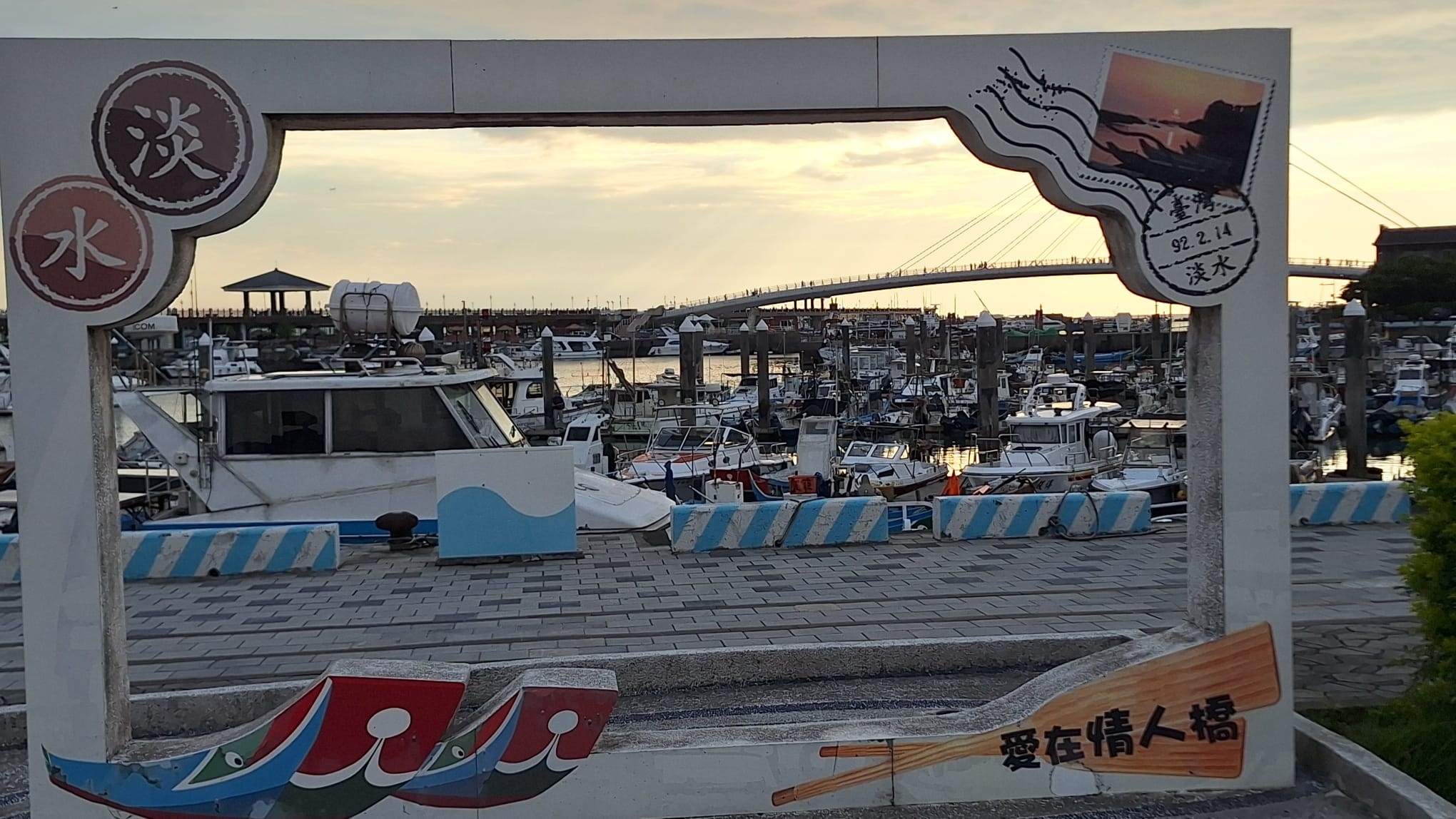
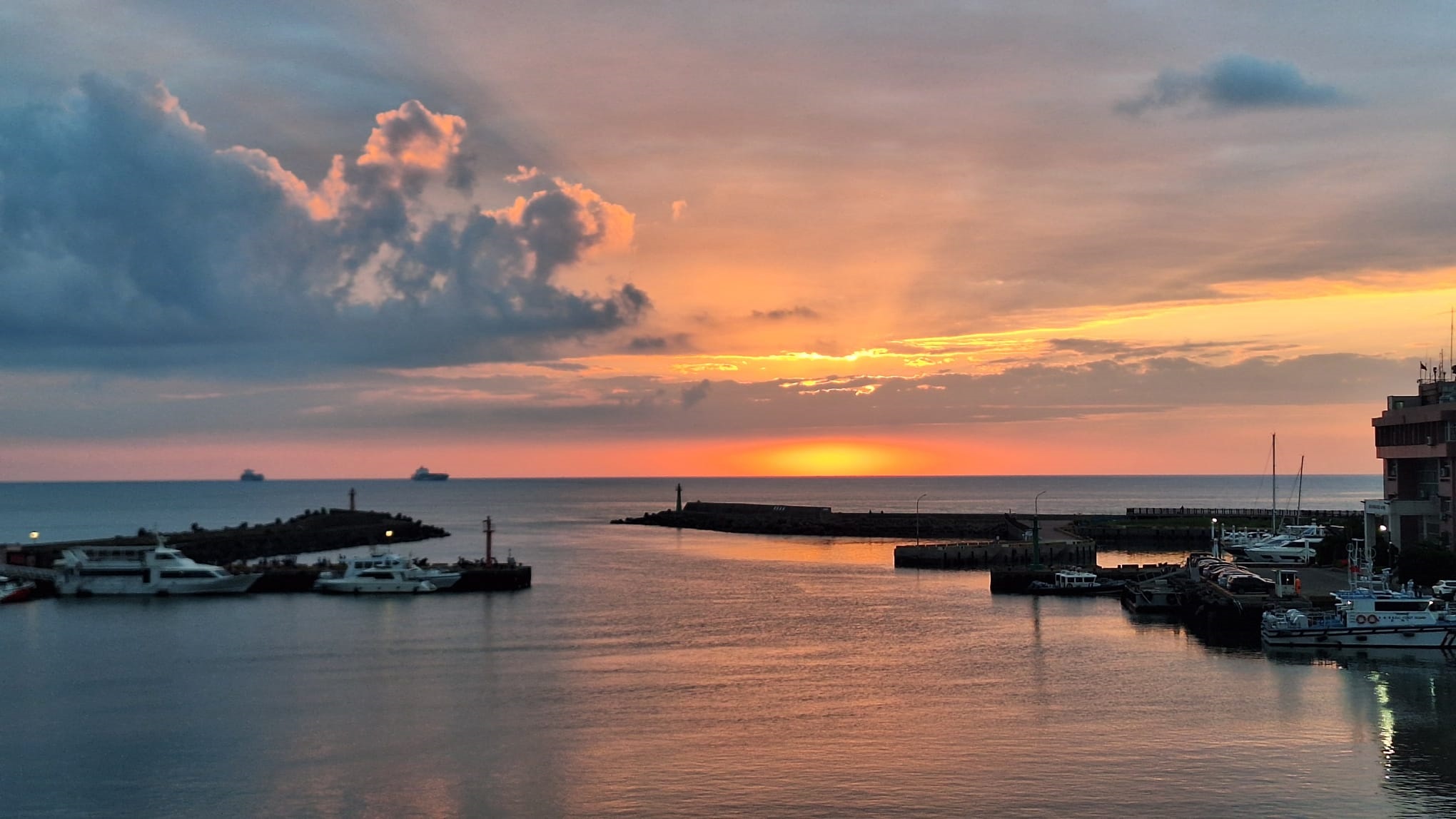
The fishing port opens with a picturesque view, inviting tourists and locals alike to stroll around.
On one side, at the entrance to the dike, are leisure boats, and in the background, we can find fishing boats and migrant workers. This stone marks the entrance to the area where migrant fishermen work and live. It is probably written “batu”, “stone” in Bahasa Indonesia.
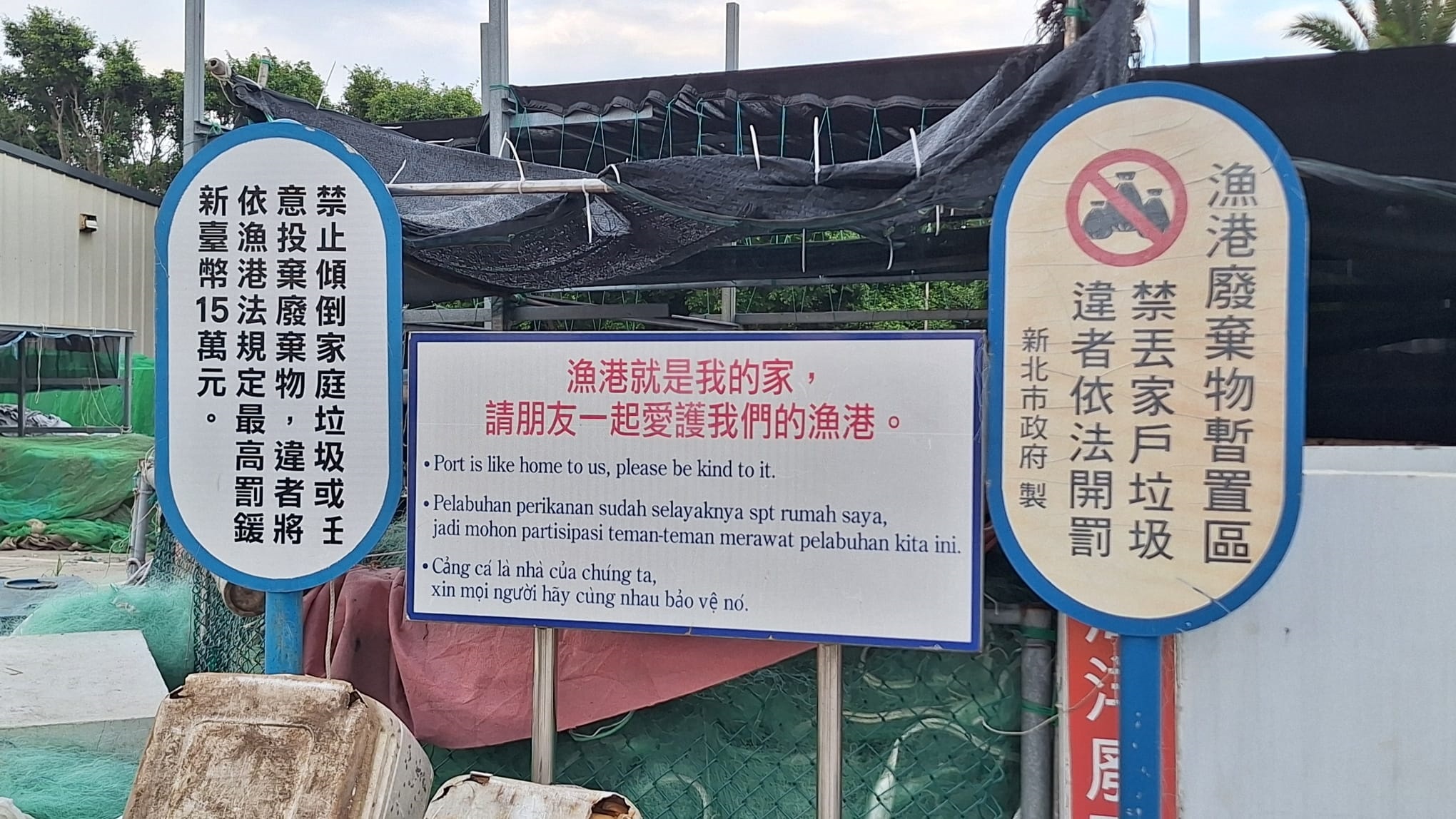
The signs call for respect and cleanliness of the living space. The sign displays instructions in Mandarin, English, Indonesian, and Vietnamese, encouraging visitors to preserve the tranquility of the port.
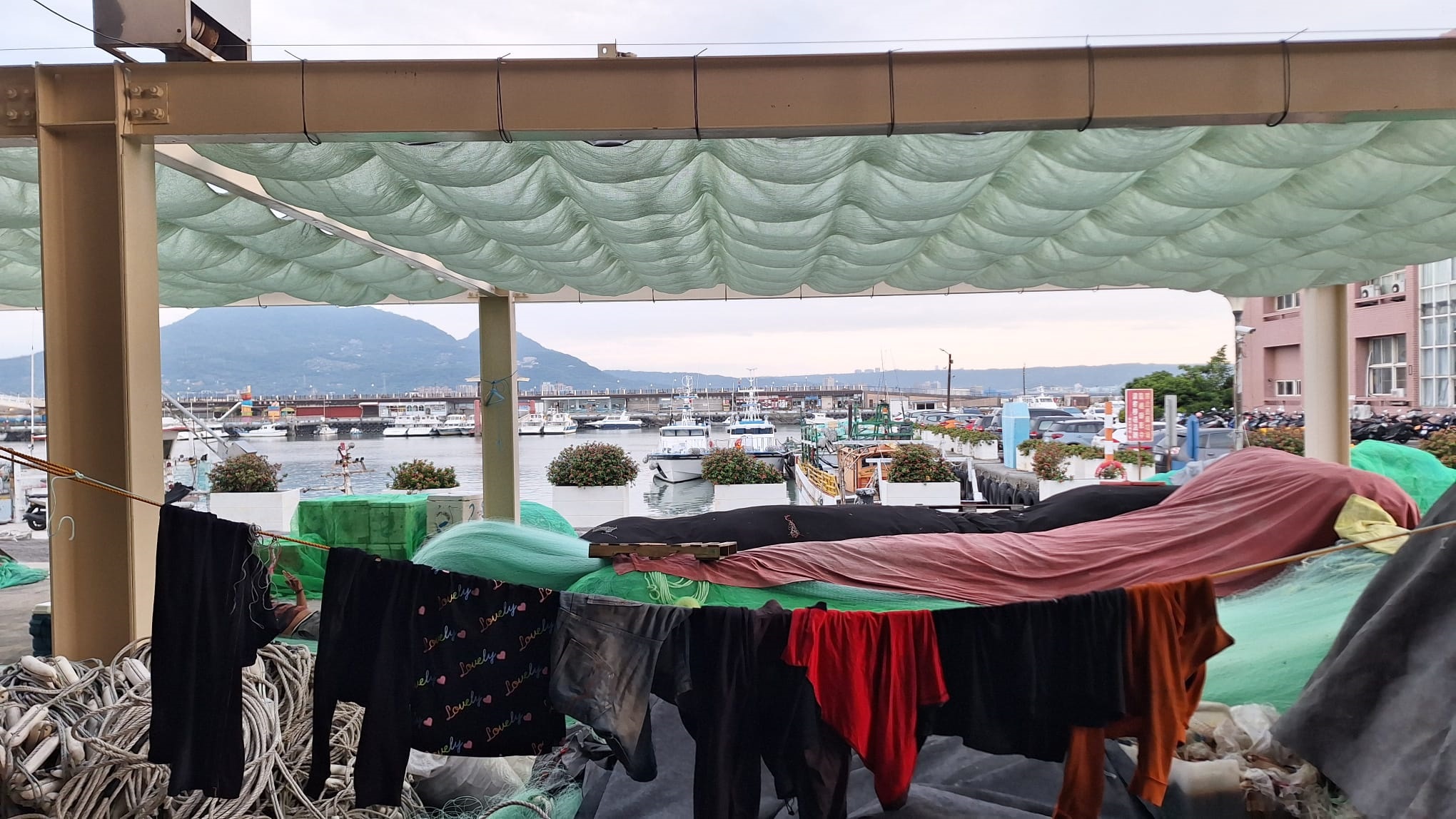
Here is the front of the structure where Muslim sailors gather for prayer. The outside is an informal space for sharing, for living, for resting, or storing fishing equipment.
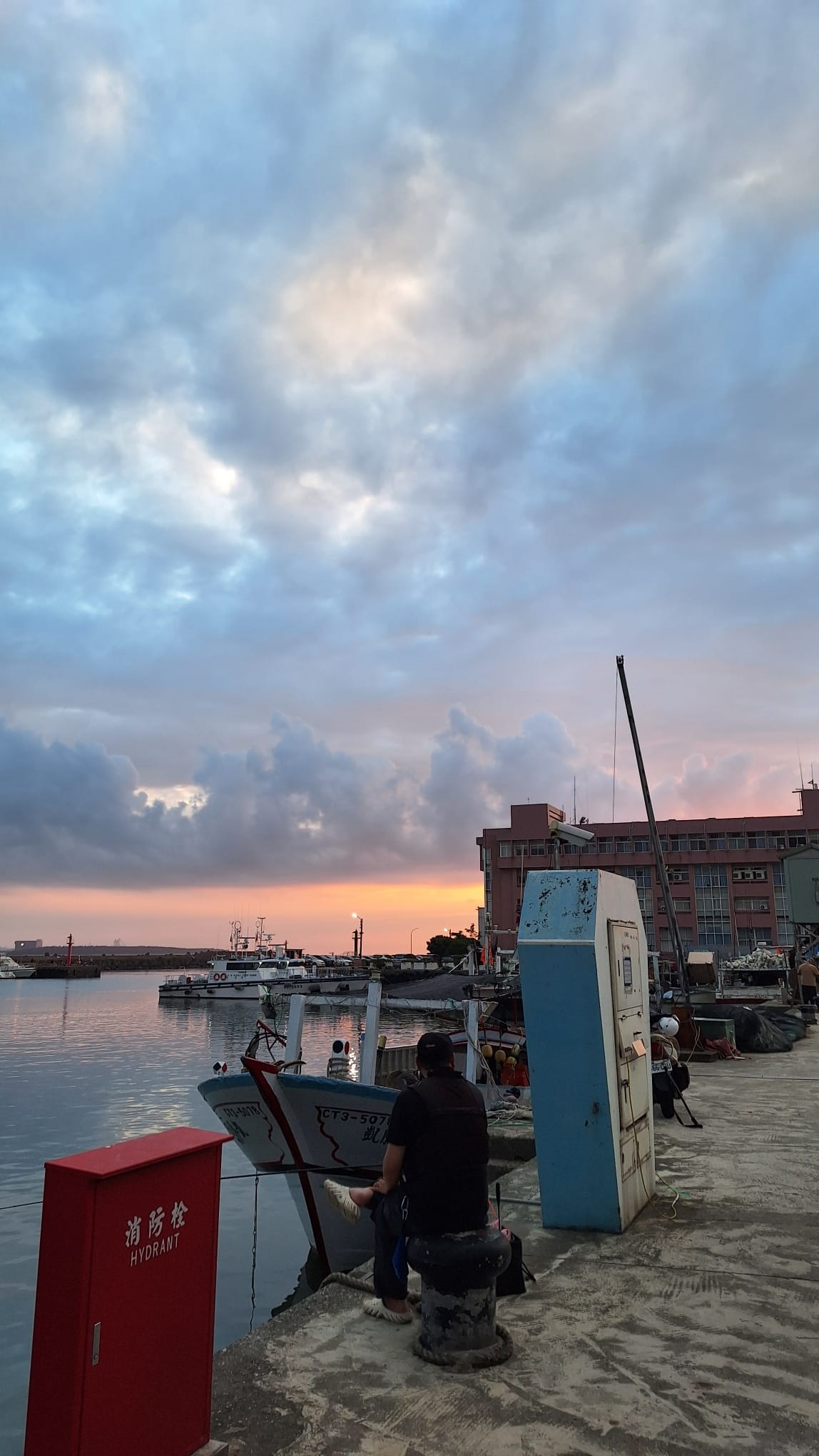
Many Taiwanese fishermen come fish in their free time, often alone. They do not interact with the migrant sailors.
This port is a space shared between tourists, Taiwanese fishermen and migrant workers, without being a space for exchange and interaction.



 Back


